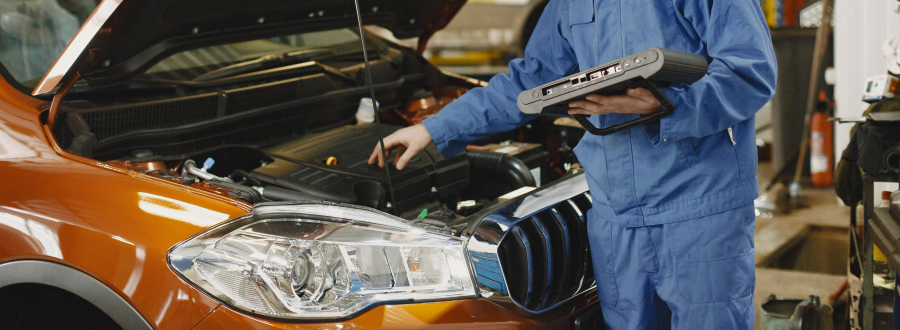
For many garages and body shops, the tension between efficiency and price-sensitive customers is real: customers want fast, dependable service and low costs. The key isn’t competing on price alone, but creating value and operational excellence that keeps customers coming back even when cheaper options exist.
1. Embrace Digital Tools to Streamline Operations
One of the simplest ways to improve efficiency is by leveraging digital solutions. Tools such as online booking systems, digital vehicle inspections, and customer relationship management (CRM) platforms automate repetitive tasks, reduce human error, and free up staff time to focus on high-value customer service. Online scheduling allows customers to book appointments at their convenience, reducing phone calls and no-shows, while CRM systems track vehicle history and personalize future communications. These systems lower internal costs and enhance the customer experience—especially for price-focused customers who value convenience. (1)
Digital vehicle inspections also improve transparency. Customers can see photos and notes explaining recommended repairs, which builds trust and helps justify costs even when prices are not the lowest in the market. (2)
2. Optimize Workflow & Inventory to Cut Waste
Efficiency is not only about technology—it’s about workflow. A well-organized shop layout and standardized processes reduce downtime, keep technicians productive, and shorten repair cycles. Effective practices include lean inventory management to ensure critical parts are available without overstocking, standardized repair procedures to reduce errors and rework, and automated parts ordering tied to scheduled jobs. (3)
By reducing wasted time, duplicated effort, and repair delays, shops can lower operating costs without cutting service quality—allowing them to remain competitive without constant discounting.
3. Offer Value Beyond Low Price
When customers focus heavily on price, shops can still win by offering value that discount competitors often lack. Transparent pricing with clear, upfront estimates builds confidence and reduces disputes.⁴ Real-time updates via text or email keep customers informed and reduce frustration during longer repairs. (5)
Convenience perks such as faster turnaround times, pickup and drop-off options, or loaner vehicles can further differentiate a shop. Many customers are willing to pay a fair price when they feel their time is respected and the service experience is smooth and reliable. (4)
4. Reward Loyalty Rather Than Undercut Price
Competing solely on price can lead to shrinking margins and unsustainable operations. Instead, garages and body shops should focus on customer retention. Loyalty programs—such as discounts on future services, bundled maintenance packages, or referral rewards—encourage repeat visits without permanently lowering prices. (6)
Even modest improvements in customer retention can significantly increase profitability, since repeat customers tend to be less price-sensitive and more likely to approve recommended repairs. (7)
5. Personalize Offers Through Customer Data
Customer data allows shops to serve price-sensitive clients more strategically. Personalized offers may include targeted discounts during slow periods, bundled services based on vehicle history, or predictive maintenance reminders. These tailored communications make customers feel understood and valued, increasing engagement and long-term loyalty without resorting to blanket discounts. (8)
Efficiency and affordability do not have to be opposing goals. By investing in digital tools, optimizing workflows, emphasizing transparency and convenience, rewarding loyalty, and personalizing offers, garages and body shops can reduce costs while retaining price-focused customers. When customers perceive honesty, efficiency, and value—not just low prices—they are far more likely to return, refer others, and contribute to sustainable growth.
Sources:
- Keegan Edwards, Auto Repair Shop Marketing Strategies
- McKinsey & Company, Optimizing Dealer Profitability With a Service Center Tune-Up
- McKinsey & Company, Optimizing Dealer Profitability With a Service Center Tune-Up
- FinModelLab, Auto Repair Shop Five Forces Analysis
- Melbourne Collision Repair Centre, How to Retain Customers in the Car Repair Industry
- Startup Model Hub, Body Shop and Collision Repair Profitability
- Startup Financial Projection, Auto Body Repair Profitability
- Zigpoll, Implementing Personalized Pricing Strategies in Auto Repair